
Disclosure: We may earn a commission from links on this page. Learn more.
Coupon Stacking Rules in 2026: What You Can Combine and What to Check First

Coupon stacking rules in 2026 can help you save more, but only when the store allows the right mix of discounts. A coupon code, loyalty offer, cashback reward, and manufacturer coupon may look easy to combine, but checkout rules are often stricter than they seem.
The common mistake is assuming every discount can work together. Many shoppers collect promo codes, store coupons, app offers, and rebate rewards, then find out at checkout that one offer blocks another.
This guide explains what coupon stacking means, which discounts usually work together, and what you should check before paying. The goal is simple: save more money without wasting time on rejected coupons.
Coupon stacking in 2026 means combining allowed discounts, such as a store coupon, manufacturer coupon, loyalty offer, promo code, or cashback reward. The safest rule is to check the retailer’s coupon policy first because each store decides what can and cannot be combined.
Coupon Stacking Rules in 2026: What They Mean for Beginners
How a Coupon Stack Works
A coupon stack means using more than one type of discount on the same item or order. For example, a store may allow one manufacturer coupon and one store coupon on a qualifying product.
Some stores may also allow loyalty rewards, app offers, or cashback after purchase. But every coupon stack depends on the retailer’s policy, the coupon wording, and the checkout system.
Why More Discounts Do Not Always Mean Better Savings
More coupons do not always mean a better final price. A sale item, store brand, bundle offer, or clearance deal may still be cheaper than a national brand with stacked coupons.
Some promo codes also cancel other rewards. Cashback tracking can fail if you use an unapproved code, and some rebate offers have strict product or receipt rules.
The Types of Coupons You Can Combine
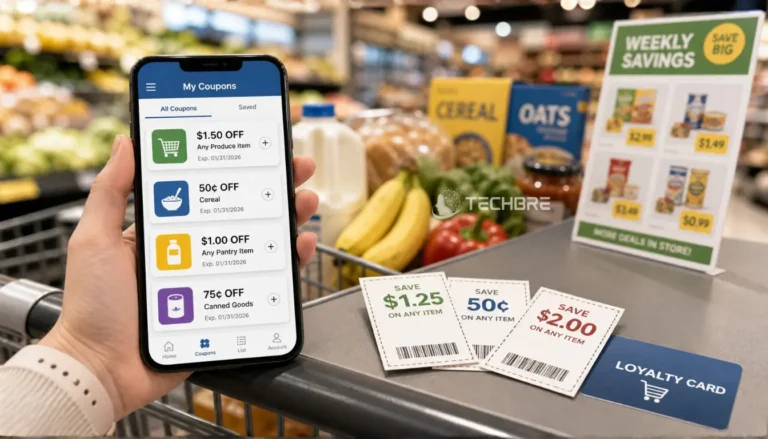
The main coupon types are manufacturer coupons, store coupons, digital coupons, promo codes, loyalty rewards, and cashback or rebate offers.
Many coupon stacks start with a store coupon and a manufacturer coupon. Online stacks may include a promo code, loyalty credit, or cashback offer, but many stores limit multiple codes in one order.
Which Discounts You Can Stack
Store Coupon and Manufacturer Coupon Combinations
A store coupon comes from the retailer. A manufacturer coupon comes from the brand. These two can often work together because they come from different sources.
Still, the wording matters. If the coupon says “cannot be combined with other offers” or “one coupon per purchase,” the checkout system may reject the stack.
Digital Discounts, Promo Codes, and Automatic Savings
Digital coupons, promo codes, and app offers can reduce your total, but they do not always stack. Some online stores allow only one main promo code per order.
Before paying, test the cart total. Add the best code first, then check whether a loyalty offer, app discount, or item-level coupon still applies.
Where Cashback and Rebate Apps Fit In
Cashback and rebate apps may work after store coupons or promo codes, but each app has its own rules. Some offers need a specific product, receipt type, store, or purchase amount.
Use cashback as the last layer of the stack. First confirm the coupon savings at checkout, then check whether the cashback or rebate offer still qualifies.
Coupon Policies to Check Before You Stack Coupons
Store Coupon Policies and Item Limits
Store policies explain how many coupons you can use on one item, one order, or one transaction. Some retailers allow one manufacturer coupon and one store offer per item, while others use stricter limits.
Always check the current store policy before planning a big coupon stack. Policies may change, and online rules may be different from in-store rules.
When a Discount Cannot Be Combined
A discount may not combine if it has words like “not valid with other offers,” “one use per customer,” “one coupon per order,” or “excludes clearance.”
If a coupon is rejected, do not force it. Compare the final price with and without each discount, then keep the offer that gives the best real saving.
Why Coupon Policies Matter More Than the Coupon Code
The coupon code is only one part of the deal. The retailer’s policy decides whether the code can work with sale pricing, loyalty rewards, cashback, or other coupons.
Good couponing is not about adding every code you find. It is about knowing which offer combination the store actually allows.
Best Coupon Stacking Strategy for Beginners
Start With One Store and Learn Its Rules
Pick one store and learn its coupon rules before trying many retailers. Check how it handles paper coupons, digital coupons, loyalty rewards, app offers, and promo codes.
If you are new to deal hunting, start with our guide to extreme couponing for beginners before trying complex coupon stacks.
Compare Prices Before You Combine Discounts
Always compare the final price, not just the discount amount. A 20% coupon on a high-priced product may still cost more than a simple sale at another store.
Check unit prices, shipping costs, tax, and cashback eligibility. A smaller coupon can sometimes give a better result if it works with other rewards.
Build a Simple Couponing Routine That Works
Create a basic routine for couponing each week. Check store offers, clip digital coupons, compare prices, and plan which stacks to try before checkout.
If your coupons often get lost or expire, read our guide on how to organize coupons effectively.
Types of Coupons That Usually Work Best Together
Store Coupon vs Manufacturer Coupon
Store coupons and manufacturer coupons are one of the most common coupon stack types. The store discount reduces the retailer’s price, while the manufacturer coupon is usually funded by the brand.
This stack can work well on groceries, household items, personal care products, and selected retail promotions. Always confirm the store allows both on the same item.
Promo Codes vs In-App Discounts
Promo codes are entered at checkout. In-app discounts may apply automatically when you shop through a store app or loyalty account.
Some stores allow both, but many do not. Test the order total and remove weaker discounts if they block a better offer.
Cashback as the Last Layer of the Stack
Cashback is usually checked after the purchase, so it should be treated as the final layer. Do not count it as guaranteed savings until the reward is approved.
For online shopping, read the cashback terms before using a promo code. Some cashback sites only approve rewards when you use listed codes from their own platform.
Where Coupon Stacking Still Works Best
Grocery and Household Couponing
Coupon stacking often works well for groceries and household products because many brands and retailers offer regular coupons. A store coupon, manufacturer coupon, loyalty reward, and receipt-based rebate may all be possible in some cases.
Check item size, product variant, expiry date, and purchase limit. Many rejected coupons fail because the item does not match the coupon wording exactly.
Online Stores With Promo Codes and Cashback
Online stores may allow a promo code, cashback, loyalty credit, or item-level discount on one order, but many sites limit how codes combine. Always test the final checkout total before you buy.
For software and digital product savings, you can also check our guides to holiday SaaS deals and student software deals.
When Store Brands Beat a Coupon Stack
Sometimes a store brand is cheaper than a coupon stack on a national brand. This is common with basic groceries, cleaning products, and everyday household items.
Before using coupons, compare the final price per unit. The best deal is the lowest safe and useful price, not the longest coupon stack.
Common Coupon Stacking Mistakes to Avoid
Using the Wrong Types of Coupons
Not all coupon types combine. A coupon per item may conflict with a coupon per order, and a digital coupon may block a paper coupon on the same product.
Read the coupon wording carefully. Pay attention to product size, brand name, quantity, expiry date, and “cannot be combined” language.
Ignoring Store Coupon Policies
Store coupon policies are the main rulebook for stacking. A policy can explain whether you can use a manufacturer coupon, store coupon, promo code, loyalty reward, or cashback offer together.
Do not rely only on old couponing forums or social media posts. Retailers update rules, and checkout systems may enforce new limits automatically.
Chasing Discounts That Do Not Lower the Final Price
Some shoppers chase too many coupons and forget the real goal: a lower final price. If a stack takes too much time or forces you to buy items you do not need, it may not be worth it.
Use simple math. Compare the regular price, sale price, coupon price, cashback value, and shipping cost before deciding.
Smart Tools That Help You Stack Better
When a Rebate App Helps
A rebate app can help when it rewards you after purchase. You usually buy the item first, scan or upload the receipt, and wait for the app to approve the reward.
For more tool ideas, compare trusted extreme couponing apps and websites that help with promo codes, cashback, rebate offers, and receipt scanning.
How Cashback Tools Support a Coupon Stack
Cashback tools can add extra value when they track correctly. They are useful for online shopping, subscription tools, travel bookings, and selected retail purchases.
Before using cashback, check whether the site allows outside promo codes. If the cashback provider says only approved codes qualify, using another code may cancel the reward.
Why Automatic Savings Tools Still Need a Manual Check
Automatic coupon tools can test codes quickly, but they do not always pick the best full stack. A tool may apply one code and remove another offer that was better.
Always check the order total yourself. Look at the price before and after each discount so you know which combination saves the most.
Simple Coupon Stacking Checklist Before Checkout
- Check the store’s current coupon policy.
- Read the coupon fine print.
- Confirm the product size, quantity, and brand match.
- Test promo codes one by one.
- Check whether loyalty rewards still apply.
- Confirm cashback or rebate terms before paying.
- Compare the final total with other stores.
- Keep receipts until rewards are approved.
FAQs
Q: What does coupon stacking mean?
A: Coupon stacking means layering different types of coupons or discounts on the same item or order. For example, a store may allow one store coupon and one manufacturer coupon on the same item, but rules vary by retailer.
Q: Can I combine manufacturer coupons with store coupons?
A: Yes, some stores allow you to combine manufacturer coupons with store-specific coupons. A common rule is one manufacturer coupon per item and one store coupon per item, but you should always check the store’s stacking policies first.
Q: Does Target Circle allow coupon stacking?
A: Target Circle offers may stack with selected manufacturer coupons or Target item-level offers, depending on the offer type. Always check the store’s app because coupons are applied based on Target’s current coupon policy and each Circle offer’s terms.
Q: Can I use cashback apps like Fetch with coupons?
A: Cashback apps like Fetch may work after using coupons, but approval depends on the app’s rules, the receipt, and the product offer. Check the cashback app terms before combining coupons, promo codes, or loyalty programs.
Q: Is CVS good for coupon stacking?
A: CVS can be useful for coupon stacking because shoppers may use store coupons, manufacturer coupons, ExtraCare offers, and loyalty rewards when allowed. The best stacking result depends on current CVS coupon rules, item limits, and offer terms.
Q: Can I use multiple identical coupons in one transaction?
A: Sometimes, but many stores limit identical coupons per item, transaction, household, or day. Read the fine print before using multiple coupons, especially paper manufacturer coupons, newspaper inserts, or digital coupons from a store’s app.
Q: What is the best coupon stacking strategy for beginners?
A: The best stacking strategy is to start with one store, scan your loyalty card, check available offers before you shop, and combine only coupons that the policy allows. Compare the final price because successful stacking should lower the total, not just add more coupons.
Looking for more ways to save? Explore CouponBre’s coupons and deals website for coupon guides, promo code tips, and deal ideas, or visit BreTech software coupon stores for software discounts, tech offers, and digital product savings.
Conclusion: How to Stack Coupons Smarter in 2026
Coupon stacking rules in 2026 are still useful, but they are not the same at every store. The safest approach is to combine only the discounts that the retailer, coupon wording, and checkout system clearly allow.
Start with simple stacks, such as a store coupon plus a manufacturer coupon, then add loyalty rewards, cashback, or rebate offers only when the terms support it. Always check the final price before paying so your coupon stack gives real savings, not just a longer checkout process.
Further Reading
- Best Video Editing Software Deals
- Smart Home Deals Under $50
- Best To-Do List Apps for Holidays
- Browse More Deals & Coupons Guides
- How to Get Grocery Coupons in 2026
Want more simple ways to save money online? Browse our Deals & Coupons guides for practical tips on coupon codes, cashback, software deals, and smart shopping.