
Disclosure: We may earn a commission from links on this page. Learn more.
Extreme Couponing for Beginners in 2026: How to Start, Stack Coupons, and Save More

Extreme couponing in 2026 is not about collecting hundreds of random coupons. It is about learning where to find real offers, how to stack them safely, and how to buy only what you actually need.
For beginners, the best way to start is simple: use store coupons, promo codes, cashback offers, loyalty rewards, and sale timing together when the rules allow it.
This guide explains how extreme couponing works, how coupon stacking can help you save more, and what mistakes to avoid before you waste time or overspend.
Key Takeaways
- Extreme couponing combines store coupons, manufacturer coupons and sales to reduce grocery bills
- Digital coupons and loyalty programs make couponing easier in 2026
- Beginners can start couponing with one store, one list and a small coupon organizer
- Understanding coupon policies and common couponing mistakes protects your savings
- Organizing your coupons and receipts turns couponing into a repeatable money-saving habit
How to Start Extreme Couponing for Beginners in 2026
Extreme couponing in 2026 is less about giant paper coupon hauls and more about using a smart system. Most beginners save the most by combining store sales, digital coupons, loyalty rewards, and occasional cashback offers in a simple weekly routine.
The goal is not to buy everything on sale. The goal is to lower the cost of items you already use, stay organised, and build better shopping habits over time.
What Extreme Couponing Means Today
Extreme couponing today is a practical money-saving method, not just a TV-style shopping stunt. Instead of chasing random deals, you look for chances to combine sale prices with store app offers, manufacturer coupons, rewards points, and limited-time promotions.
For most people, modern couponing works best when it stays simple. One store, one list, and one coupon system is often enough to start seeing steady savings without turning shopping into a full-time job.
How Extreme Couponing Works in 2026
The basic process is simple. First, check your store’s weekly sale items. Then look inside the store app, loyalty account, or email offers to see what discounts match those products. After that, compare sizes, limits, and expiry dates before adding anything to your shopping list.
Once you get to the store or shop online, use only the coupons and offers that fit the items you already planned to buy. This is what makes couponing work in real life. You are not just collecting discounts. You are matching the right discounts to the right products at the right time.
| Step | What to Do |
|---|---|
| Find the sale | Check the weekly ad or promotion page |
| Check coupons | Look in the store app, loyalty account, or email offers |
| Compare details | Review item size, limits, and expiry dates |
| Make a list | Add only the products you already need |
| Shop carefully | Use the deals that match your plan |
Can You Still Extreme Coupon in 2026?
Yes, but it looks different now. Most coupon savings today come from digital tools, store rewards, and smarter planning rather than huge stacks of paper coupons. You can still save a meaningful amount, but the results are usually more realistic than the old viral couponing stories many people remember.
That is actually better for beginners. Instead of trying to get massive hauls, focus on steady savings on groceries, household items, and personal care products. A smaller, repeatable system is easier to manage and more likely to help you save money week after week.
Getting Started with Extreme Couponing: Couponing Tips for Beginners
Starting extreme couponing does not mean buying stacks of newspapers or filling a binder on day one. Most beginners do better with a small setup, a few reliable coupon sources, and a simple weekly routine they can actually keep up with.
The easiest way to begin is to choose one main store, learn how its sales and digital offers work, and build your shopping plan around the products you already buy. That keeps couponing realistic and stops it from turning into extra stress.
Essential Supplies for Couponing
You do not need many supplies to get started. A phone, a store app, a loyalty account, and a simple way to track coupons are enough for most people in 2026.
If you also collect paper coupons, keep a small pair of scissors, an envelope, or a basic coupon folder nearby. The goal is not to build a complicated system. The goal is to make sure you can quickly find the offers you want before you shop.
Choosing the Right Coupon Organizer
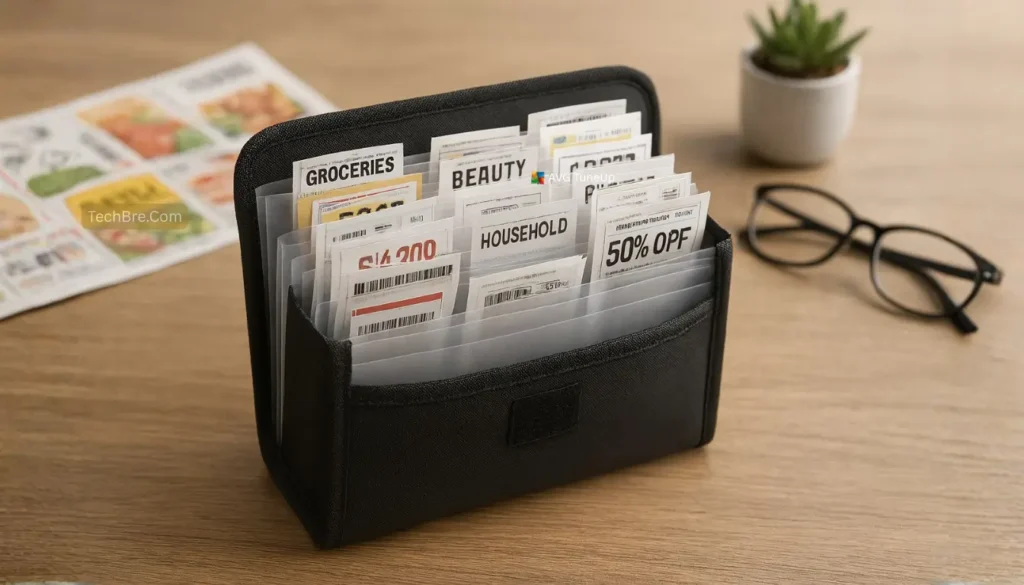
The best coupon organizer is the one you will actually use every week. For many beginners, a small envelope, folder, or accordion file is enough to keep paper coupons under control.
If you use a lot of printable or newspaper coupons, a small binder with dividers can work well. If most of your offers are digital, your organizer may simply be a store app plus a short note on your phone with the deals you want to use.
Different Types of Coupons: Paper Coupons and Digital Coupons
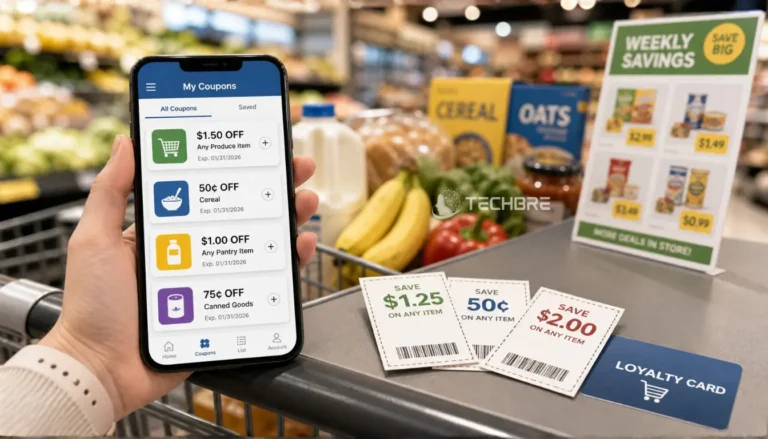
Modern couponing usually starts with digital coupons. These are the offers you clip in store apps, loyalty accounts, or email promotions before you shop. They are easy to track and usually the most practical choice for beginners.
Paper coupons can still help, especially for groceries, household products, and personal care items. The key is not to collect every coupon you see. Keep only the offers that match products your household already uses.
Where to Find Coupons for Everyday Shopping
Good coupons usually come from a few repeat sources, not from random searching every day. Start with the places that are easiest to check before each shopping trip:
- Store apps and loyalty programs
- Weekly digital ads and store websites
- Brand emails and rewards accounts
- Cashback and receipt apps
- Printable coupon sites when needed
- In-store coupons or checkout offers
This approach keeps your routine simple. Instead of hunting everywhere, you check the same trusted sources each week and match the best offers to your shopping list.
| Coupon Source | Best For | What to Watch Out For |
|---|---|---|
| Store Apps | Fast digital offers and member discounts | Some coupons must be clipped before checkout |
| Loyalty Programs | Extra savings, points, and personalised deals | Offers may expire quickly |
| Brand Emails | Product-specific promotions and limited offers | Too many emails if you subscribe widely |
| Cashback Apps | Extra savings after purchase | You may need to upload receipts |
| Printable Coupons | Specific products and occasional high-value deals | Printing can be inconvenient |
| In-Store Coupons | Last-minute savings on current promotions | Selection may be limited |
When you keep your tools simple and your coupon sources focused, it becomes much easier to build a routine that saves money without wasting time.
Developing a Couponing Strategy to Save Money on Items You Use
A good couponing strategy helps you save on the products your household already needs. Instead of chasing every deal, focus on timing, store rules, and a simple weekly plan you can repeat.
The best results usually come from combining sale prices, digital offers, loyalty rewards, and careful planning. When you keep your system simple, couponing becomes easier to manage and more useful over time.
Crafting Your Couponing Plan
Start with one main store and learn how its weekly sales, digital coupons, and loyalty offers work. This makes it much easier to spot real savings and avoid getting distracted by offers that do not fit your shopping list.
It also helps to notice which items go on sale often. When you see the same products drop in price again and again, you can wait for the better week instead of buying them at full price.
Building Your Stockpile
A stockpile is a small backup supply of items you use regularly, such as toiletries, cleaning products, or shelf-stable groceries. The goal is not to hoard products. It is to buy a few extras when the price is genuinely low.
Start small and build only around items your household already uses. This keeps your spending under control and stops couponing from turning into clutter.
Matching Coupons with Store Sales
This is where couponing becomes much more effective. A coupon usually works best when the item is already on sale, because you are lowering an already reduced price instead of using a discount on the full shelf price.
Before shopping, check the weekly ad, open the store app, and compare any available offers with the items on your list. That small habit can make a big difference over time.

Coupon Stacking Rules in 2026
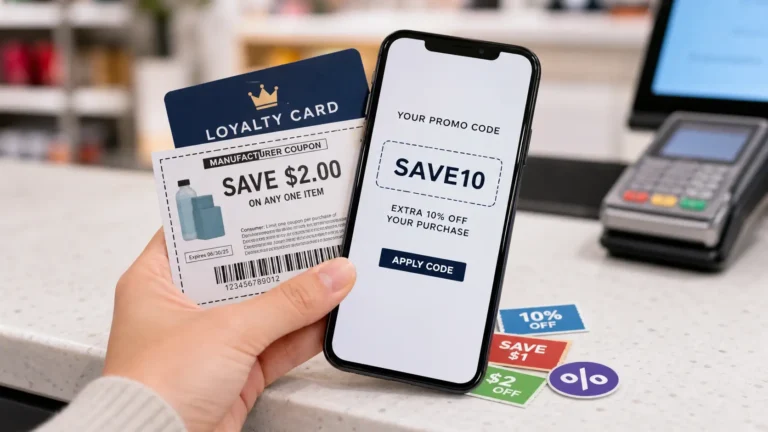
Coupon stacking means combining more than one discount on the same purchase when a store allows it. This might include a sale price, a store coupon, a digital offer, or a cashback app used after checkout.
Not every store allows the same combinations, so always check the current coupon policy first. A quick look at item limits, coupon rules, and digital offer terms can prevent most checkout problems.
Using a Grocery List
A grocery list keeps your couponing focused. It helps you match offers to real needs and reduces impulse purchases that cancel out your savings.
You can use a notes app, a store app, or a simple paper list. What matters most is that your list is based on what you need this week, not just on which coupons look exciting.
How to Organize Coupons So You Actually Use Them
You do not need a complicated system to stay organised. Most beginners do well with one simple method they can check quickly before each shopping trip.
A phone note works well for digital deals, while an envelope, folder, or small binder can hold paper coupons and receipts. The best setup is the one that helps you find offers fast, track expiry dates, and avoid forgetting coupons at home.
| Strategy Step | Why It Helps |
|---|---|
| Check weekly sales | Helps you spot the best time to buy |
| Match coupons to sale items | Increases the value of each discount |
| Use a shopping list | Keeps you focused on real needs |
| Review store rules | Prevents stacking and checkout mistakes |
| Build a small stockpile | Helps you buy essentials at better prices |
Mastering the Art of Shopping with Coupons and Extreme Coupon Deals
Using coupons well is not just about finding discounts. It is also about shopping at the right time, staying calm at checkout, and avoiding small mistakes that reduce your savings.
Once you have a list, a few matched offers, and a basic plan, the shopping trip becomes much easier. This is where good coupon habits start turning into real long-term savings.
Best Time to Shop
The best time to shop is usually when a product is already on sale and you also have a matching coupon or digital offer. That gives you a better result than using a coupon on a full-price item.
It also helps to shop after checking the weekly ad, your store app, and any loyalty offers in advance. A few minutes of planning before you leave home can save more than collecting lots of random coupons.
Approaching Checkout
Stay organised when you reach checkout. Open your app, keep any paper coupons ready, and know which discounts you expect to use on that trip.
If a store allows more than one type of discount, make sure you understand the order and limits first. A calm, prepared checkout is much easier than trying to sort everything at the counter.
When Coupons Don’t Work
If a coupon does not apply, do not panic. First, check the expiry date, product size, brand match, and any item limits. In many cases, the issue is a small detail rather than a system error.
If needed, ask politely whether the store policy allows the offer on that item. If the coupon still does not work, it is usually better to move on than let one failed discount disrupt your whole shopping trip.
Avoiding Common Mistakes
Most couponing mistakes happen when people shop too fast or focus only on the discount instead of the total cost. A coupon is only useful if it lowers the price of something you already planned to buy.
Keep these basic checks in mind before every trip:
- Read the fine print
- Check expiry dates
- Review item and transaction limits
- Compare coupon deals with cheaper store-brand options
- Avoid buying extra items just because there is a coupon
| Shopping Habit | Why It Helps |
|---|---|
| Shop sale items first | Gives coupons more value |
| Check offers before checkout | Reduces missed discounts |
| Read coupon terms | Prevents avoidable errors |
| Compare final prices | Helps you choose the real best deal |
| Stay focused on your list | Stops impulse spending |
Good couponing is not about getting the biggest haul every week. It is about making smarter shopping decisions more often.
Best Couponing Apps and Websites for Beginners
Modern couponing is much easier when you use a few reliable digital tools. You do not need dozens of apps or websites. A small group of trusted sources is enough for most beginners.
The best setup is usually a mix of store apps, loyalty programs, cashback tools, and one or two deal communities. This gives you a simple way to check offers without feeling overwhelmed.
Store Apps and Loyalty Programs
Store apps are often the easiest place to begin. They usually show weekly sales, digital coupons, loyalty prices, and personalised offers in one place.
Loyalty programs can also unlock extra discounts, points, or member-only prices. If you shop at the same stores regularly, these programs are often one of the easiest ways to save.
Cashback and Receipt Apps
Cashback apps can add extra savings after you shop. In most cases, you buy the item first and then upload the receipt or activate the offer inside the app.
These tools work best as a bonus, not as your main coupon plan. Think of them as an extra layer of savings after sale prices and digital coupons, not a reason to buy items you do not need.
Coupon and Deal Communities
Deal communities can help you spot promotions, coupon combinations, and limited-time offers more quickly. They are useful when you want to check whether a deal is genuinely good or just looks good at first glance.
The key is to use these sites carefully. They should help you confirm deals and learn store patterns, not push you into buying random products just because other people are excited about them.
Email Alerts and Weekly Ads
Email alerts from stores and brands can be useful when they highlight coupons, rewards, or short-term promotions for products you already buy. Weekly ads are also worth checking because they show which items are discounted before you build your list.
Used together, these tools make planning easier. Instead of hunting everywhere, you can review a few trusted sources each week and quickly decide which offers are worth using.
| Tool Type | Best For | Keep in Mind |
|---|---|---|
| Store Apps | Digital coupons and member prices | Clip offers before shopping |
| Loyalty Programs | Rewards and repeat-store savings | Some deals expire quickly |
| Cashback Apps | Extra savings after purchase | Receipt upload may be required |
| Deal Communities | Finding and checking active deals | Avoid impulse buying |
| Email Alerts | Limited-time offers and reminders | Too many emails can get messy |
| Weekly Ads | Planning sale-based shopping trips | Best used before making your list |
Conclusion: Extreme Couponing Rules That Save You Money
Extreme couponing in 2026 is not about chasing every deal. It is about using a simple system that helps you save on the items your household already buys through store sales, digital coupons, loyalty rewards, and careful planning.
When you stay focused, check the rules, and build good shopping habits week after week, couponing becomes easier to manage and more effective in the long run.
FAQs
Q: How Do I Start Couponing as a Beginner?
A: Start with one store, one weekly shopping list, and one app or loyalty account. This keeps couponing simple and helps you learn how sales, digital coupons, and rewards work together.
Q: Can You Still Extreme Coupon in 2026?
A: Yes, but it is more digital than before. Most people now save through store apps, loyalty programs, weekly ads, and carefully matched sales instead of huge paper coupon hauls.
Q: What Is Coupon Stacking?
A: Coupon stacking means using more than one discount on the same purchase when a store allows it. This may include a sale price, a store coupon, a digital offer, or a cashback app.
Q: Where Can I Find Coupons for Everyday Shopping?
A: The best places to start are store apps, loyalty programs, weekly ads, brand emails, and cashback apps. These usually cover groceries, household items, and personal care products.
Q: How Do Store Coupon Policies Work?
A: Every store has its own rules. Some allow one store coupon and one manufacturer coupon, while others limit how many offers you can use per item or transaction.
Q: How Should I Organize My Coupons?
A: Use the simplest system you will actually keep updated. A phone note works for digital offers, while an envelope, folder, or small binder works well for paper coupons and receipts.
Q: Can I Buy in Bulk with Coupons?
A: Yes, but only for items your household already uses. Buying a few extras when the price is low can help, but store limits and expiry dates still matter.
Q: What Couponing Mistakes Should Beginners Avoid?
A: The biggest mistakes are buying things you do not need, missing expiry dates, and ignoring store rules. Good couponing lowers the cost of planned purchases instead of increasing your total bill.
Q: What Should I Check Before Using a Coupon?
A: Check the expiry date, item size, brand match, and store limits. These small checks prevent most problems at checkout.
Further Reading
- How to Organize Coupons Effectively in 2026
- Best Video Editing Software Deals (2026)
- Best Black Friday Deals
- Coupon Stacking Rules in 2026
- How to Get Grocery Coupons in 2026
- How to Save Money on Online Shopping
- Extreme Couponing Apps and Websites in 2026
Read more guides in the Deals & Coupons section.